In the fields of high-end CNC machining, deep-hole cutting and difficult-to-machine material manufacturing, problems such as high-temperature wear, chip entanglement and poor chip removal have long restricted machining accuracy, production efficiency and tool service life. With the accelerated upgrading of intelligent manufacturing, an integrated intelligent cooling and chip removal technology system that incorporates Tool Cooling,High-Pressure Flushing, Chip Removal & Chip Breaking, Through-Coolant Tool, High-Pressure Coolant System and Through-Spindle Coolant has become a core breakthrough for quality and efficiency improvement in precision manufacturing, bringing disruptive technological innovation to the mechanical processing industry.
The traditional external spray cooling method suffers from cooling blind areas. Coolant can hardly reach the core cutting areas such as deep holes and closed cavities, which easily leads to excessive tool heating and softening, edge wear, workpiece burning, and chip accumulation and entanglement. These defects not only reduce the surface finish of processed products, but also require frequent shutdowns for chip cleaning and tool replacement, greatly increasing production costs. The new integrated cooling and chip removal technology system achieves comprehensive upgrades in three core dimensions: tools, spindles and cooling systems, completely solving the pain points of traditional machining.
As the core carrier of the technology, theThrough-Coolant Tool is equipped with dedicated internal cooling channels to realize precise coolant diversion. Combined with the professional Tool Cooling mechanism, it abandons the inefficient traditional external cooling mode. The cooling medium is directly delivered to the cutting edge of the tool to quickly take away cutting heat from the source, effectively inhibiting tool thermal deformation, thermal cracks and edge wear. This significantly extends the tool service life and ensures stable precision during long-term continuous processing.
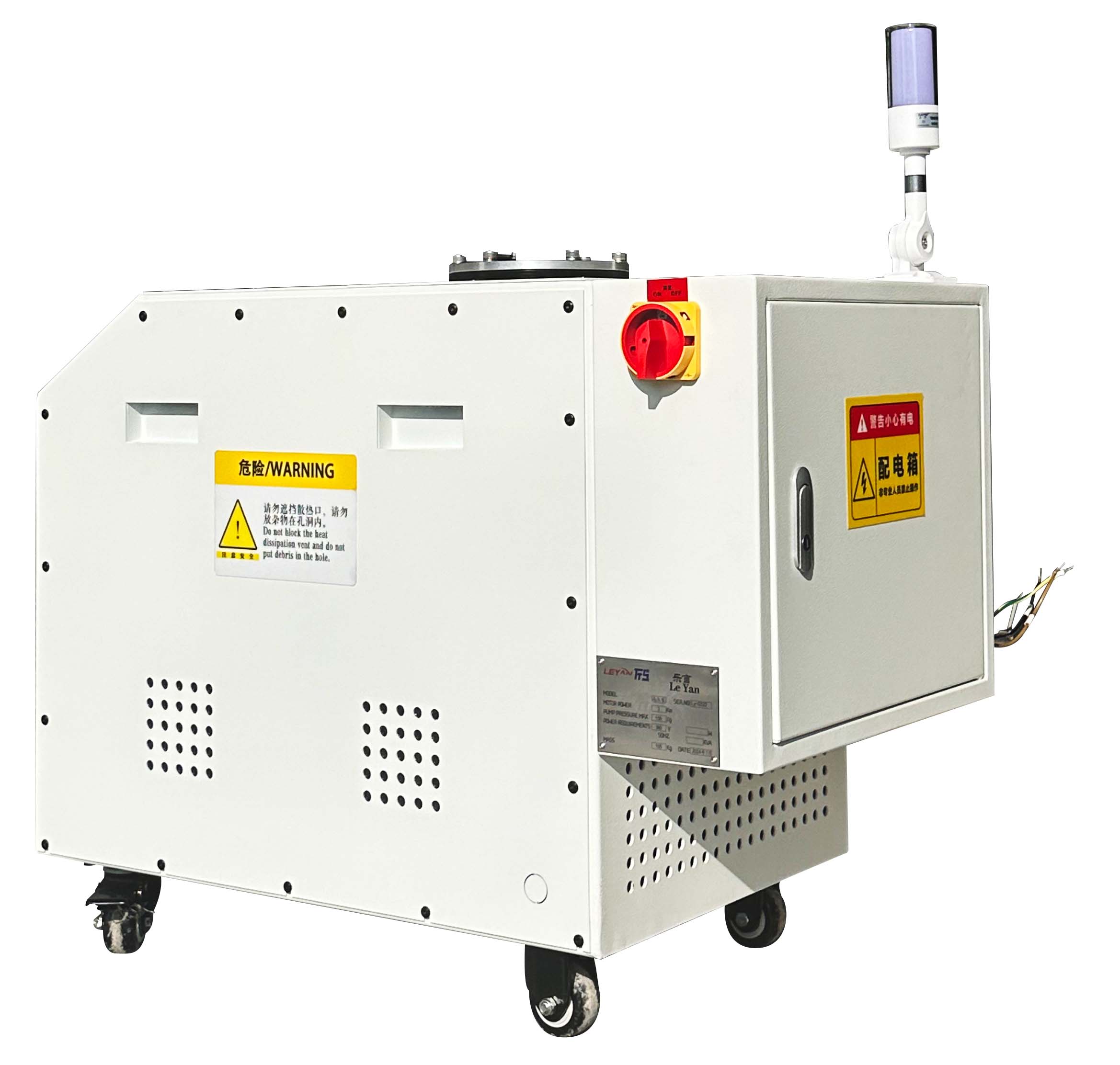
To address chip handling challenges under complex working conditions, the complete system is equipped with a high-performance High-Pressure Coolant System that delivers stable high-pressure coolant. In conjunction with the Through-Spindle Coolant structure, coolant flows through the internal channel of the machine tool spindle to directly reach the cutting area, completely breaking the cooling and chip removal barriers in deep-hole machining and closed cutting scenarios. Relying on high-pressure fluid power, the system realizes powerful High-Pressure Flushing, which efficiently washes away residual chips in cavities and on hole walls, preventing chip accumulation, jamming and workpiece surface scratches.
Different from the passive chip removal limitation of traditional machining modes, the biggest innovative highlight of this technology system lies in its integrated Chip Removal & Chip Breaking capability. The high-speed jet of high-pressure coolant generates fluid shear force, which actively cuts long and curled tangled chips into fine fragments during the cutting process. It fundamentally eliminates the industry problems of chip entanglement with tools and processing area blockages, enabling smoother and more thorough chip removal without manual shutdown intervention, and effectively improving processing continuity and automation.
According to industry test data, processing equipment equipped with the full set of high-pressure internal cooling and chip removal technology can increase processing efficiency by more than 70% and reduce tool loss rate by 40% when processing difficult-to-machine materials such as stainless steel, high-temperature alloys and titanium alloys, as well as deep-hole workpieces with large depth-to-diameter ratios. The surface accuracy and consistency of workpieces are significantly optimized, thoroughly resolving the three major pain points of insufficient cooling, poor chip removal and difficult chip breaking in traditional processes.
Industry experts state that the in-depth integration of Tool Cooling, High-Pressure Flushing, Chip Removal & Chip Breaking, Through-Coolant Tool, High-Pressure Coolant System and Through-Spindle Coolant has built a closed-loop precision cutting guarantee system. It is not only applicable to high-end manufacturing scenarios including mold processing, aerospace parts, precision auto parts and hydraulic components, but also promotes the transformation of mechanical processing from extensive production to high-precision, high-efficiency, low-loss and automated refined production. In the future, the continuous iteration and popularization of high-pressure internal cooling technology will further consolidate the technical foundation of high-end precision manufacturing and empower the high-quality upgrading and development of the manufacturing industry.